


Orchard Stay in Himachal The Untouched No Traffic Escape Near Chandigarh and Delhi
Some holidays begin only after you survive a traffic jam. This one begins when the road gets quieter, the air turns cooler, and the last few kilometres pass through orchards instead of market lanes.
An orchard stay in Himachal is for days when you do not want a packed Mall Road, long café queues, or a checklist of tourist points. You want a place where the loudest sound is a bird calling from a deodar branch, a dog barking somewhere down the slope, or fruit leaves moving in the afternoon wind.
The best part is that you do not have to go deep into the mountains to find it. In the lower and mid-Himalayan belts of Himachal, there are still peaceful orchard villages within practical driving distance of Chandigarh and Delhi. They feel far from the usual tourist map, yet close enough for a long weekend.

Why an orchard stay feels different from a regular hill holiday
A typical hill-station trip often revolves around movement. Drive to the viewpoint. Drive to the market. Drive to the café. Drive again because everyone else is headed to the same place.
An orchard stay changes that rhythm.
You arrive, park the car, and let the place do the work. The orchard becomes the experience. The garden path becomes the walk. The terrace becomes the viewpoint. Even meals feel slower because they are not squeezed between sightseeing stops.
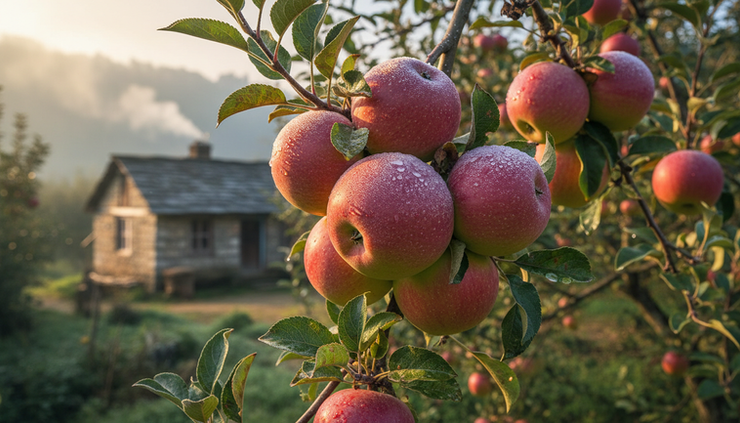
There is a simple pleasure in staying where things are still lived in, not staged only for visitors. You may see fruit trees marked by season, dry stone walls, village paths, water channels, kitchen gardens, and homes built for weather rather than selfies.
That is what makes an Orchard Stay in Himachal The Untouched No Traffic Escape Near Chandigarh and Delhi feel so refreshing. It offers the mountain mood without the mountain rush.
A good orchard stay usually gives you:
Open space
Lawns, terraces, fields, and fruit trees instead of tight hotel corridors.
Quiet mornings
No constant vehicle horns, no crowded breakfast halls, no race to claim a table.
Local textures
Seasonal fruit, simple pahadi food, village trails, and unpolished roads.
Room to pause
Time for reading, writing, walking, napping, or doing nothing without guilt.
This kind of stay does not compete with luxury resorts. It offers something rarer: a sense of place.
The unexplored side of Himachal is closer than it feels
When people think of a Himachal trip from Delhi or Chandigarh, the same names often come up: Shimla, Manali, Dharamshala, Kasauli, Dalhousie. These places are popular for a reason, but their popularity brings traffic, parking stress, higher prices in peak season, and crowded viewpoints.
The quieter alternative is to look at orchard villages around the lower Himachal belt, especially areas that sit before the heavily visited routes become crowded. Depending on the exact village and road conditions, many such stays can be reached in a few hours from Chandigarh and within a comfortable half-day drive from Delhi if you start early.
This is where the holiday becomes interesting. You are still in Himachal, but not in the predictable Himachal circuit.
The road may pass through small towns, pine-covered slopes, terraced fields, and fruit-growing pockets. The final approach might be a narrower village road where you drive slowly, not because of traffic, but because the scenery asks for it.
The real luxury here is not distance. It is the feeling of being away without spending an entire day getting there.
That matters for weekend travellers. A faraway mountain trip sounds romantic until the return drive turns into a full-day effort. A closer orchard stay gives you more time at the destination and less time staring at tail lights.
What “no traffic” really means in this kind of escape
No place can promise an empty road every hour of the year. Long weekends, festivals, weather changes, repair work, and landslides can affect hill routes. But there is a clear difference between city-style traffic and the slow, scattered movement of village roads.
In an untouched orchard belt, “no traffic” usually means:
No bumper-to-bumper tourist line outside the stay
No honking through the night
No packed market road next to your room
No fight for parking every time you step out
No pressure to leave early just to beat crowds at attractions
The roads are quieter because there are fewer commercial stops. People are not all headed to one famous sunset point. There is less through-traffic because many orchard villages are not on the main tourist corridor.
That makes the stay calmer from the first evening itself. You hear the wind. You notice the cold. You step out after dinner and the sky actually looks dark.

A day at an orchard stay in Himachal
The charm of an orchard stay is that the day does not need a strict plan. Still, it helps to know what the experience can feel like.
Morning begins with light and birdsong
Mornings in orchard country arrive gently. The light filters through fruit trees. The hills reveal themselves slowly, especially in winter and after rain. Tea tastes better because there is no hurry around it.
You can take a short walk before breakfast. The path may pass by terraced fields, grazing cattle, old homes, and small shrines. Nothing dramatic needs to happen. The quiet itself becomes the event.
If you enjoy photography, this is the best time to shoot. Leaves carry dew, the air is clean, and the soft light makes even a simple mud path look inviting.
Afternoons are made for slow meals and naps
An orchard stay works best when you stop treating every hour as a slot to fill. After breakfast, you might read under a tree, talk to the host, explore a village trail, or sit on the terrace with a book you have been carrying for months.
Lunch is often simple and satisfying. In many homestays and farm stays, food depends on what the kitchen and season allow. Expect comfort over performance. Rajma, dal, roti, rice, local greens, curd, chutney, and seasonal fruit feel right in this setting.
Then comes the most underrated part of a mountain holiday: the afternoon nap. No traffic outside. No tourist announcements. No rush to leave for the next point.
Evenings are for the sky
Evenings in such places are not loud. They are crisp, especially from autumn to spring. You can walk around the orchard, sit by a small bonfire if the stay offers one safely, or watch the hills turn darker as lights appear in faraway homes.
This is when you realise why a quieter location matters. In a crowded hill station, evening often means market noise. In an orchard stay, it means changing colours, dinner smells, and that rare feeling of having enough time.
Who will enjoy this kind of stay the most
An orchard stay is not for every traveller, and that is part of its appeal. It suits people who are comfortable with stillness.
It works beautifully for:
Couples who want privacy without an over-designed resort
Families who want open space for children to walk and play
Solo travellers looking for calm and a safe, simple base
Remote workers who need quiet, if the stay has reliable connectivity
Pet parents, only where the property clearly allows pets
Writers, photographers, artists, and anyone who think better in silence
It is also a good fit for people travelling with elders, as long as the property has easy access, minimal stairs, and safe parking. Always confirm these details before booking because hill properties vary a lot.
This stay may not suit travellers who want nightlife, shopping, café hopping, luxury room service, or a packed sightseeing plan. If the main goal is to cover famous tourist spots, a remote orchard village may feel too quiet.
But if the goal is rest, it can feel exactly right.
What to check before booking an orchard stay
The best orchard stays feel effortless when you arrive, but a little planning helps. Since many are in less commercial areas, do not book only by looking at pretty photos.
Road access
Ask the host about the final road stretch. Is it paved? Is it steep? Can a regular hatchback reach the property? Is parking available at the stay or nearby?
In Himachal, the last few kilometres can change the whole experience. A good host will explain the approach clearly.
Mobile network and Wi-Fi
If you plan to work or need steady calls, confirm network strength. Some orchard locations have patchy mobile coverage. Wi-Fi may be available, but speed can vary by weather, power supply, and local connection.
If your plan is to disconnect, this may not matter. If you have meetings, it matters a lot.
Food arrangements
Many orchard stays are away from busy markets, so check whether meals are included or available on request. Ask about meal timings, vegetarian options, tea and snacks, and whether outside food delivery is possible. In remote pockets, delivery may not exist.
The best experience is usually to eat what the homestay kitchen prepares.
Heating and winter comfort
Himachal can get cold even when the plains are warm. Check for room heating, extra blankets, hot water, and power backup during winter. If you are travelling with children or elders, this is essential.
Walking trails and safety
Ask if there are easy walking routes around the property. Also check if the orchard is fenced, whether there are steep drops nearby, and if outdoor areas are well lit at night.
Peaceful does not mean careless. Good stays balance nature with basic safety.
Best time to plan an orchard escape
Each season changes the mood.
Spring brings blossoms, soft weather, and a fresh look to the orchards. It is one of the most beautiful times if you like flowers and clear walks.
Summer is a good break from the plains, especially for travellers coming from Delhi, Chandigarh, Punjab, Haryana, and Rajasthan. Lower Himachal can still feel warm in the day, but mornings and evenings are usually pleasant compared to the plains.
Monsoon turns everything green, but roads can be unpredictable. If you travel during rain, keep plans flexible and avoid risky drives at night.
Autumn gives clear skies, golden light, and a slower mood after the busy holiday rush.
Winter is quiet and crisp. Some orchard belts feel especially peaceful then, though you must prepare for cold nights.
If you want the calmest experience, avoid peak long weekends when possible. A normal weekend or a two-night weekday break can feel far more private.
Why this escape works so well from Chandigarh and Delhi
The biggest reason is balance.
From Chandigarh, many lower Himachal retreats are close enough for a short break without exhausting travel. You can leave after breakfast and still arrive with enough daylight to settle in.
From Delhi NCR, the drive takes longer, but it is still practical for a two or three-night plan if you start early. The trick is to choose a place that does not force you through the most crowded hill-station arteries.
That is where lesser-known orchard areas shine. They give you mountain air, open space, and quiet roads without demanding the effort of a deep Himalayan expedition.
For people tired of crowded getaways, this feels like a smarter way to travel. You spend more time staying and less time coping.

How to make the most of the stay
The best advice is simple: do less.
Arrive before sunset if possible. Hill roads are easier in daylight, and the first evening sets the tone for the trip.
Pack comfortable shoes, warm layers, a light rain jacket if travelling near monsoon, basic medicines, and any snacks you cannot do without. Carry cash for small local payments because digital payments may not always work smoothly in remote areas.
Respect the orchard and the village. Do not pluck fruit unless the host allows it. Avoid loud music. Keep waste with you until you can dispose of it properly. Drive slowly through village roads.
Most of all, let the place stay quiet. That is why you came.
A good orchard stay in Himachal is not about escaping to the farthest point on the map. It is about finding a peaceful corner that still feels real, close enough to reach, and quiet enough to remember. For travellers from Chandigarh and Delhi, that may be the rarest kind of hill holiday now: one where the road clears, the phone slows down, and the mountains finally feel personal again.


Comments